 A garbage disposal is a handy tool that can reduce the amount of trash your kitchen produces and make cleanup for your household’s cook much easier. Residing between the underside of the sink and its trap, the disposal uses a series of small blades to dice up kitchen waste so that it can be washed away into your waste plumbing.
However, both the garbage disposal and your pipes have limits. Everyone needs to know what should never go down the garbage disposal to avoid damaging the disposal or triggering plumbing issues.
Quick Takeaways
- Protection: Knowing the dos and don’ts of garbage disposals protects your appliance and your plumbing. After all, putting the wrong thing down the disposal can cause damage.
- Awareness: Is something too hard to cut with a knife? Could it tangle or clump? Does it cause issues for pipes? If so, don’t put it down the garbage disposal.
- Danger: When disposals are misused, the risk of shocks, lacerations, and other injuries is real. If a disposal requires repair or replacement, calling a professional plumber is vital.
- Maintenance: Regular maintenance can keep your disposal clean, functional, and effective for years.
Top Foods That Are Garbage Disposal Don’ts
 Garbage disposals excel at making organic matter disappear down the drain. Despite their skill, some items are too much. Common troublemakers follow.
1. Grease, Fats, and Cooking Oils
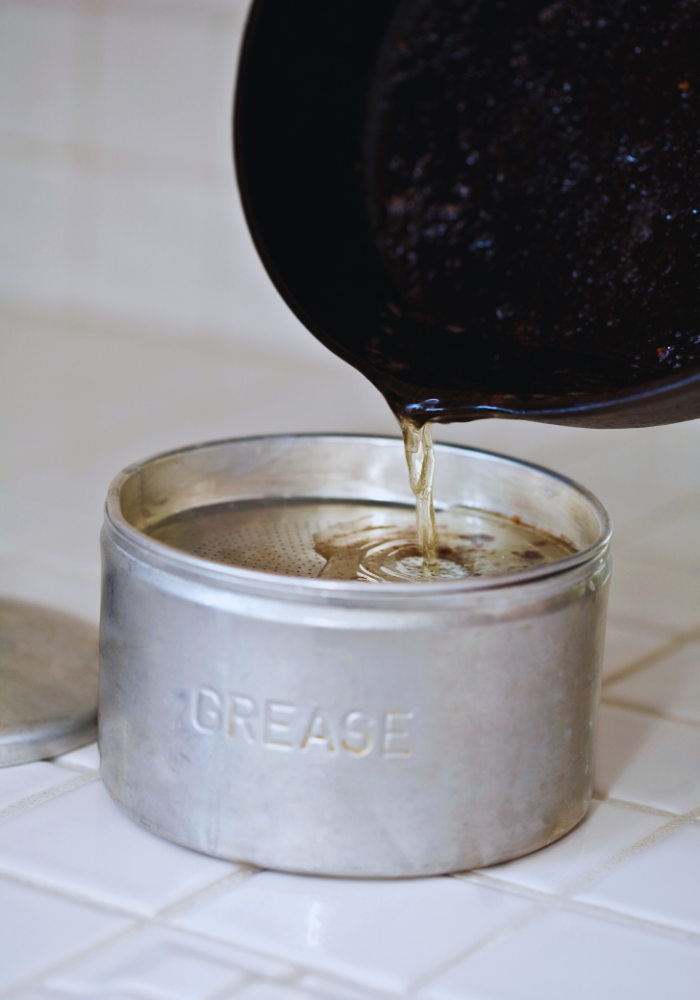
If you’ve spent any time thinking about plumbing, you’re probably aware that this oily trio isn’t good for drains. Fats, oils, and grease may start out as liquids when warm, but they can turn to thick, sticky clogs that choke your pipes as they cool.
2. Bones and Hard Food Scraps
Bones, fruit pits, and nuts are too tough for a disposal’s blades. While they may go through successfully sometimes, putting them through regularly is likely to damage the blades or cause a jam.
3. Starches Like Rice, Pasta, and Potatoes
Starches like potatoes, pasta, rice, oats, and cereal are filling. They share a tendency to expand when they touch water.
This creates a risk that they’ll expand inside your pipes, producing a clog. A small amount that is rinsed well is probably okay, but avoid large portions.
4. Fruit Peels and Fibrous Vegetables
Banana peels, celery, and asparagus may not seem like they have much in common, but all three can cause problems for your garbage disposal.
Peels often turn into a thick, sticky paste that can lay the foundation for clogs. Stringy vegetables are likely to get tangled around the blades.
5. Eggshells and Coffee Grounds
Eggshells and coffee grounds seem harmless, but they’re not. The inner membrane of eggshells is sticky and prone to wrapping around disposal blades. Coffee grounds can clump together and produce stubborn clogs.
Non-Food Items That Are Garbage Disposal Nos
 Kitchens are full of inedible items. Many of them can seriously damage your garbage disposal. To increase the odds that your disposal will enjoy a lengthy life, avoid putting the following items down it.
6. Plastic, Metal, and Glass
Your disposal’s blades weren’t designed to tackle plastic, metal, or glass. Forcing them to battle these hard materials can lead to damage and jams.
7. Napkins, Paper Towels, and Cleaning Wipes
Toilet paper is the only paper product that is designed to break down in a septic system. Sending other paper products into your drains sets the stage for clogs and similar plumbing troubles.
8. Bleach, Drain Cleaners, and Harsh Chemicals
Harsh chemicals can seem like an effective tool for attaining a thorough clean or powering through a stubborn clog. However, they may do more harm than good. Their use can endanger your pipes and the environment. Select gentler options instead.
Risky Business: Putting the Wrong Thing Down the Disposal
When the wrong thing travels down the garbage disposal, it can create risks for your disposal, your plumbing, and your health. Something that’s hard or entangling can damage your disposal. Items that make it past your disposal that can cause clogs or harm to pipes endanger your plumbing. Finally, a troubled garbage disposal requires repair or replacement.
With sharp blades, electricity, and water in the mix, attempts to do it yourself may lead to injury. Always call a professional for these repairs.
Useful Tips for a Clean, Functioning Garbage Disposal
To keep your garbage disposal clean and working smoothly, use these tips:
- Use the disposal regularly.
- Don’t overwhelm the disposal. Never put items you shouldn’t down it.
- Run cold water before, during, and after use.
- Clean the disposal by pouring baking soda and vinegar down it.
- Sharpen the disposal’s blades by putting ice cubes down it. Add peeled citrus fruit to deodorize.
Fast Facts: Frequently Asked Questions
How Long Do Garbage Disposals Last?
Generally, a garbage disposal has a lifespan of roughly 10 years. Maintenance, use, and other factors will impact this.
What Red Flags Indicate a Garbage Disposal Replacement Is Needed?
If you notice motor issues, foul smells, poor function, or water under the unit, it may be time to replace your garbage disposal.
How Do I Choose a Garbage Disposal?
Various types and models of garbage disposals are available. Narrow your options by reviewing the pros and cons. To get the right fit, be sure to consider your space.
If you’re unsure, enlist the experts at Benjamin Franklin Plumbing for a garbage disposal installation. They can help you choose the right disposal for your needs.
Sharp Move: Protect Your Disposal. Schedule a Professional Plumbing Inspection Today
 Don’t let a damaged, dull, or dismal garbage disposal disrupt your kitchen routine. Whether you’re planning a garbage disposal installation or facing maintenance concerns or repair issues, you want a trusted plumbing professional who responds promptly.
The punctual plumbers at Clearwater Benjamin Franklin Plumbing are ready to assist you with all your garbage disposal needs in Clearwater, FL. Connect with us today to schedule your service.