Need to repair a blocked, cracked or damaged sewer pipe? Instead of more invasive, traditional methods that require complete excavation and replacement, consider professional pipe relining services. This technology allows you to repair damaged piping at a lower cost without disrupting or tearing up your property.
Here, we’ll cover the process, potential benefits and when professional plumbers recommend it as an alternative to traditional sewer pipe repair methods.
Quick Takeaways
- Pipe relining is a trenchless method that repairs damaged pipes from the inside.
- It requires minimal digging when compared to traditional sewer replacement.
- Pipe relining can extend the life of your sewer pipes for decades.
- It is often recommended for minor root intrusion, leaks and cracked pipes.
What Is Pipe Relining?
Pipe relining is a “trenchless” repair method that creates a new, seamless pipe inside an existing damaged one. It is known for its “no-dig,” trenchless technology because it restores structural integrity through smaller access points instead of tearing up your driveway, yard or floors. For these reasons, it is a commonly used method in modern sewer line repair.
How Pipe Relining Works
Relining a pipe requires precision. Through a multistep process, it transforms a damaged pipe into a structurally sound one.
Sewer Camera Inspection
Before work begins, video inspection is conducted to map the inside of your pipe. This shows the exact location of any cracks, tree root intrusions and other issues. It also ensures that your pipe is still structurally sound enough to reline.
Cleaning the Sewer Line
To ensure the new liner adheres properly, the existing pipe must be cleaned out through hydro jetting or mechanical cleansing. A second camera inspection may be done afterwards to make sure all obstructions are cleared.
Installing the Resin Liner
A custom-measured flexible liner is then inserted into the damaged pipe. Then it is filled with a two-part epoxy resin, which is then evenly distributed throughout the material.
Curing the New Pipe
Curing is the final stage of the process, and the resin is left to harden into solid plastic. This process can take several hours, but it can be sped up by circulating hot water, steam or UV light through the pipe.
When Do Plumbers Recommend Pipe Relining?
Plumbers recommend relining if your pipe is damaged, but it still has enough structural integrity to support a new internal liner.
Here are some situations where pipe relining is practical:
- Cracked sewer pipes
- Small leaks in your sewer lines
- Minor pipe corrosion
- Pipes with moderate root intrusion
- Pipes that are still structurally intact
Pipe relining is the preferred choice for addressing moderate issues while avoiding the expense and mess of traditional replacement. However, it is not recommended if your pipe has completely collapsed or if you have severe misalignment.
Benefits of Pipe Relining for Sewer Repair
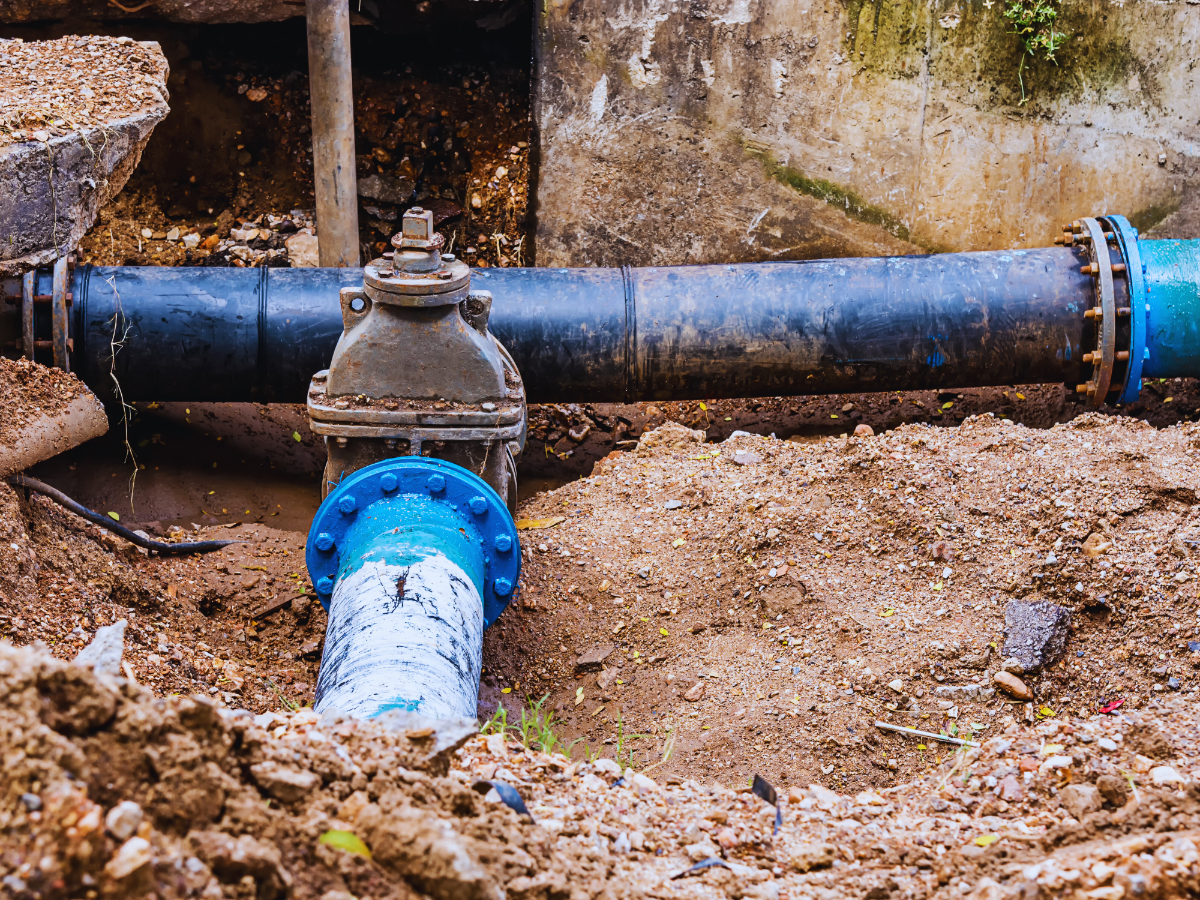 Pipe relining is a modern, non-invasive alternative to traditional sewer repair.
Here are some of the many benefits associated with this method.
- It requires minimal excavation, needing only a small access point.
- Most relining projects are completed quickly, whereas traditional replacement can take weeks.
- Pipe relining preserves your driveways, sidewalks and landscaping by working entirely underground.
- The relining process creates a smooth new pipe within your old one.
- It improves the overall flow efficiency of your system.
In addition, relined pipes are very durable. They are also resistant to leaks and corrosion. Typically, they have a life expectancy of 50 years (or longer).
Pipe Relining vs. Traditional Sewer Line Replacement
In many cases, pipe relining is the smarter, faster and more cost-effective option when compared to traditional sewer line replacement.
Excavation-based sewer pipe replacement is highly invasive and can take a week or longer to complete. It significantly disrupts your property and is associated with a higher cost.
Sewer pipe relining is much less invasive due to trenchless relining technology. It takes about 1 to 2 days for completion with minimal property disruption at a lower cost. While relining is appropriate for moderate issues, a plumber may recommend a full replacement if your pipes are severely misaligned or have collapsed.
How Long Does Pipe Relining Last?
Modern trenchless repair is designed to be a structural replacement, not a temporary patch. With modern methods, it lasts anywhere between 50 and 60 years for a residence. In some cases, with stable environments and proper maintenance, they can last up to 100 years.
The materials used in cured-in-place pipe systems include a hardening agent and a flexible liner. These liners are made from fiberglass felt or non-woven polyester and are highly resistant to rust, chemical damage and corrosion. They are made to withstand both water pressure and the weight of shifting soil.
Signs Your Sewer Line May Need Pipe Relining
Over time, your sewer line can develop cracks, leaks and clogs, leading to serious issues.
If you notice any of the following signs, you may need to consider pipe relining:
- You’re having issues with multiple drains.
- There are gurgling noises coming from your sink, toilet and shower.
- Sewage is coming up through your drains.
- You notice foul smells inside or outside your home.
- There are unexplained cracks in your basements, walls or foundation.
- You suddenly have a problem with roaches, flies or even rats.
Another way to identify sewer line issues is to take a walk around your lawn. See if you notice any soggy or extra green patches. This could mean that your pipes are leaking sewage underground (and fertilizing your grass in the process).
FAQs About Pipe Relining
Is pipe relining better than digging up a sewer line?
It depends on your pipe. In many cases, pipe relining is the better option. However, if your pipe is collapsed or severely misaligned, then traditional replacement may be better.
How long does pipe relining take?
Most pipe relining projects are completed in one day.
Does pipe relining reduce pipe diameter?
Yes, it slightly reduces the internal diameter (by about 1/4 to 1/2 inch). However, this small reduction may actually improve your flow capacity due to the liner’s smoother surface and seamless design.
Can all sewer pipes be relined?
No. Although this technology is versatile, your original pipe must have enough structural integrity to act as a mold for a new liner.
Is pipe relining safe for older homes?
Yes, pipe relining is generally safe (and often the preferred solution) for older homes. This is because it avoids the heavy digging and vibrations that may disturb fragile foundations.
Pipe Relining vs. Pipe Bursting: What’s the Difference?
Pipe relining creates a new pipe inside the existing one using a hardened liner. Pipe bursting breaks apart the old pipe while pulling a new pipe into place. Relining works best for moderately damaged pipes, while pipe bursting is used when pipes are severely damaged or collapsed.
Professional Pipe Relining and Sewer Line Repair in Clearwater, FL
 Determining whether trenchless or traditional sewer line repair is right for your property can be tricky. By scheduling an inspection from a professional plumbing company, you can determine the best solution for your plumbing challenges.
Want to know more about no-dig solutions for sewer line repair? Benjamin Franklin Plumbing has you covered. We offer extensive expertise in sewer line repair and trenchless pipe solutions you can count on. Our punctual plumbers are proud to serve our customers throughout Clearwater and the surrounding areas. Contact us today to learn more about how we can help.