For decades, cast iron sewer lines were the gold standard for plumbing systems across America. It’s not hard to see why. Prized for their sheer strength and resilience to extreme temperatures, they can remain in use for half a century or more with proper upkeep. Indeed, many homes around Clearwater, FL still rely on pipes installed in the 1980s or earlier.
Unfortunately, nothing lasts forever — even cast iron. Corrosion, scale and stress eventually take a toll, and things like acidic soil, hard water, excessive moisture and aggressive tree roots can cut the lifespan of cast iron pipes surprisingly short. Is time running out on your home’s sewer system?
 Quick Takeaways
- Cast iron sewer pipes typically last 50 to 100 years on average.
- Factors like soil conditions, corrosion and maintenance may affect lifespan.
- Signs of deteriorating pipes include recurring clogs, backups and sewer smells.
- Periodic camera inspections are key to monitoring older cast iron sewer lines.
- Aging pipes can be repaired, but sewer line replacement is often more cost-effective.
How Long Do Cast Iron Sewer Pipes Last?
Under normal conditions, cast iron sewer lines have a service life of between 50 and 100 years. Improper installation, acidic soil, harsh water chemistry and other issues may shorten this lifespan by accelerating corrosion and metal fatigue. Conversely, routine maintenance and inspections can slow wear and tear and help prevent premature failures.
What Affects the Longevity of Cast Iron Pipes?
With impressive strength and heft, superior temperature resistance and a maximum lifespan to rival our own, cast iron might seem practically indestructible. Alas, it’s not. Many factors can prematurely degrade cast iron pipes and cause them to fail sooner than expected, including:
Age and Installation Quality
Some things just keep getting better with age. Not your sewer line. Cast iron pipes naturally become thinner and brittler over time, making older lines more susceptible to holes and cracks. They also accumulate scale, grease, hair and debris, gradually restricting their inner diameter and increasing the risk of blockages.
Even more important than age is the quality of installation. Cast iron lines must be properly sealed to avoid leaks, well-supported to prevent settling and run at the correct pitch to ensure wastewater flows smoothly via gravity. If the work isn’t carefully completed and inspected by qualified professionals, the likelihood of a lengthy service life may be much lower.
Rust and Corrosion
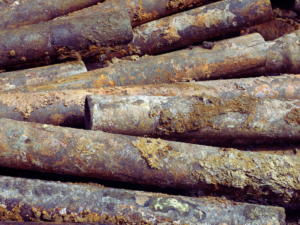
Corrosion is cast iron’s arch nemesis. After years buried underground, it’s no surprise the outer surfaces of cast iron pipes get pretty rusty. What you might not know is that corrosion also attacks sewer lines from the inside.
Wastewater, minerals and oxygen react with the inner walls of cast iron pipes to form hard patches of scale and rust. As this corrosion builds up, it reduces water flow and creates small obstructions that snag grease and debris, causing more frequent and severe clogs.
Soil and Water Conditions
How long a sewer line lasts depends heavily on the makeup of the surrounding earth. In particular, soil with high acidity, moisture or salt content is extremely corrosive and hard on cast iron. Clay soil can also be problematic because it readily shifts and expands, putting added stress on underground pipes.
What’s flowing through your sewer line is also important. Hard water leaves scale and mineral deposits that clog up and constrict your pipes. Naturally acidic water speeds up corrosion, as does municipal water treated with chlorine or other chemicals.
Tree Root Intrusion
Sewer lines are always tempting targets for nearby trees, delivering an all-you-can-eat buffet of water, oxygen and nutrients. Tree roots can’t just drill through solid cast iron pipes, of course, but they’re clever and relentless. If they detect the tiniest vulnerability — a bad seal, a crack, a pinhole leak — they’ll exploit it.
Once the first feeder roots wriggle their way into your sewer line, they’ll continue growing and multiplying. Not only will this further damage the pipe, but it’ll eventually block the line enough to cause a serious clog or sewage backup.
Lacking Maintenance
You wouldn’t expect a vehicle to crack 200,000 miles without ever popping the hood, right? Well, the same goes for sewer lines and plumbing systems. If your cast iron pipes haven’t been well-maintained, reaching 50 or 100 years may be a long shot.
So, what does proper upkeep entail? It starts with keeping your drains clear of harmful substances like grease, coffee grounds, paper products, harsh chemicals and starchy or fibrous food scraps. Consider scheduling periodic drain cleaning and sewer inspection services as well, especially if your plumbing’s more than a few decades old.
Signs Your Cast Iron Pipes Are Near the End of Their Life
With such wide-ranging lifespans, you can’t rely on age alone to determine when cast iron sewer lines are due for replacement. Instead, keep your eyes peeled for classic signs of trouble, including:
- Clogs and Backups: As frustrating as they are, occasional drain clogs usually aren’t cause for alarm. But if you’re dealing with frequent, stubborn blockages or recurring sewage backups, your cast iron pipes may be badly corroded or collapsed.
- Slow-Draining Fixtures: A damaged or obstructed sewer line is rarely an isolated problem. Depending on where the issue is, it can cause multiple fixtures throughout the house to drain slowly and clog more easily.
- Sewer Smells: Any holes, cracks or gaps in your sewer line may allow gases to seep out, producing a foul-smelling odor in or around your home. On the bright side, this is one sign you’re unlikely to miss!
- Gurgling Drains: Do your sinks, toilets and tubs gurgle and bubble like a boiling pot on the stove? Heavy corrosion or pipe scale may be accumulating inside your sewer line, trapping air and choking off the flow of wastewater.
- Hidden Leaks: Moldy smells. Water stains. Persistent damp spots on the floor. These are all can’t-miss indicators of a plumbing leak, and a bad sewer line is the primary suspect.
- Foundation Damage: Wastewater leaking from degraded sewer pipes can erode or disturb the soil under your home, potentially leading to foundation cracks and uneven floors.
- Lawn Troubles: Does your yard have sinkholes or spots that always feel damp and spongy? Wondering why particular patches of grass look suspiciously thick and vibrant? These markers usually pop up wherever there’s a leaky pipe underground, so don’t ignore them.
How To Check Your Cast Iron Sewer Line’s Condition
 Broken sewer lines can be costly and destructive, but cast iron pipes don’t just fail out of the blue. They slowly deteriorate over the years, giving you plenty of time to detect and avoid developing problems. The key is keeping tabs on your plumbing with regular sewer camera inspections.
Plumbers use specialized cameras to peek inside your pipes, searching for signs of cracks, holes, offsets and root intrusions. They can also assess the degree of corrosion and scale buildup, giving them better insight into the overall health of your sewer line. Ideally, older cast iron lines should be checked at least every few years.
When Should Cast Iron Sewer Pipes Be Replaced?
As a homeowner, there are few things more expensive than delaying the inevitable. That’s especially true when dealing with aging cast iron pipes. While plumbers can easily fix minor problems, knowing when to invest in a full sewer line replacement can save you loads of time, money and frustration.
Severe Corrosion
Repairs might work for small patches of rust, but trying to fix severely corroded pipes is an exercise in futility. Corrosion weakens the structural integrity of pipe walls, making them harder to reinforce and more prone to collapse. Major red flags include widespread rust, pitting, heavy scaling and channel rot.
Recurring Backups
If your fixtures are clogging or backing up on the regular, don’t waste money on drain cleaning and plumbing repairs. Repeated backups typically indicate the sewer line itself is obstructed by scale or corrosion, and the situation will only worsen with time.
Widespread Damage
Simply put, a sewer system that’s already failed at multiple points is not worth repairing. Even if the damage can be fixed, the likelihood of additional failures is high. Installing a sewer line replacement is the safest, most cost-effective option.
Can You Extend the Life of Cast Iron Pipes?
There’s no secret to ensuring your cast iron sewer line lasts as long as possible. It’s just a matter of keeping up with routine maintenance and taking commonsense steps to avoid unnecessary wear and tear. That includes:
- Scheduling regular sewer line inspections
- Having your drains professionally cleaned
- Repairing minor problems right away
- Never rinsing grease or flushing paper products
- Monitoring or removing nearby tree roots
Frequently Asked Questions
Do cast iron sewer pipes always need to be replaced after 50 years?
Not necessarily. Well-maintained sewer lines can easily surpass the half-century mark, and there’s no reason to replace pipes that are still in good shape. Nonetheless, aging lines can go bad quickly, so stay alert to signs of deterioration.
What is the average lifespan of cast iron drain pipes?
Most cast iron pipes are good for at least 50 years, and some may last up to twice as long in favorable conditions. Harsh, corrosive environments have the opposite effect, potentially cutting that range in half.
How can I tell if my cast iron sewer line is failing?
One surefire warning sign is fixtures throughout your home draining slowly or developing frequent clogs. Other red flags include strong sewage smells, foundation shifting, unusually lush patches of grass and sinkholes or soggy spots in the yard.
Can a sewer camera inspection determine if replacement is needed?
Absolutely! A professional sewer camera inspection is the best way to evaluate your system, track down points of failure and assess available repair and replacement options.
Is sewer line replacement worth it for older homes?
Yes, especially if you’ve had a history of plumbing problems. Replacing aging sewer pipes may cost more up front, but it pays off in the long run by preventing costly leaks, repetitive repairs and property damage.
Protect Your Home From Aging Sewer Line Problems
 For many local homes with cast iron sewer lines, the clock is already ticking. Don’t wait until it’s too late to discover your pipes have outlived their service life. Get the answers you need and the service you deserve with the punctual plumbers at Benjamin Franklin Plumbing.
Our experienced professionals are committed to providing affordable, long-lasting plumbing solutions throughout Clearwater, FL and surrounding areas. We offer comprehensive sewer line inspection, repair and replacement services, so get in touch today to get started.