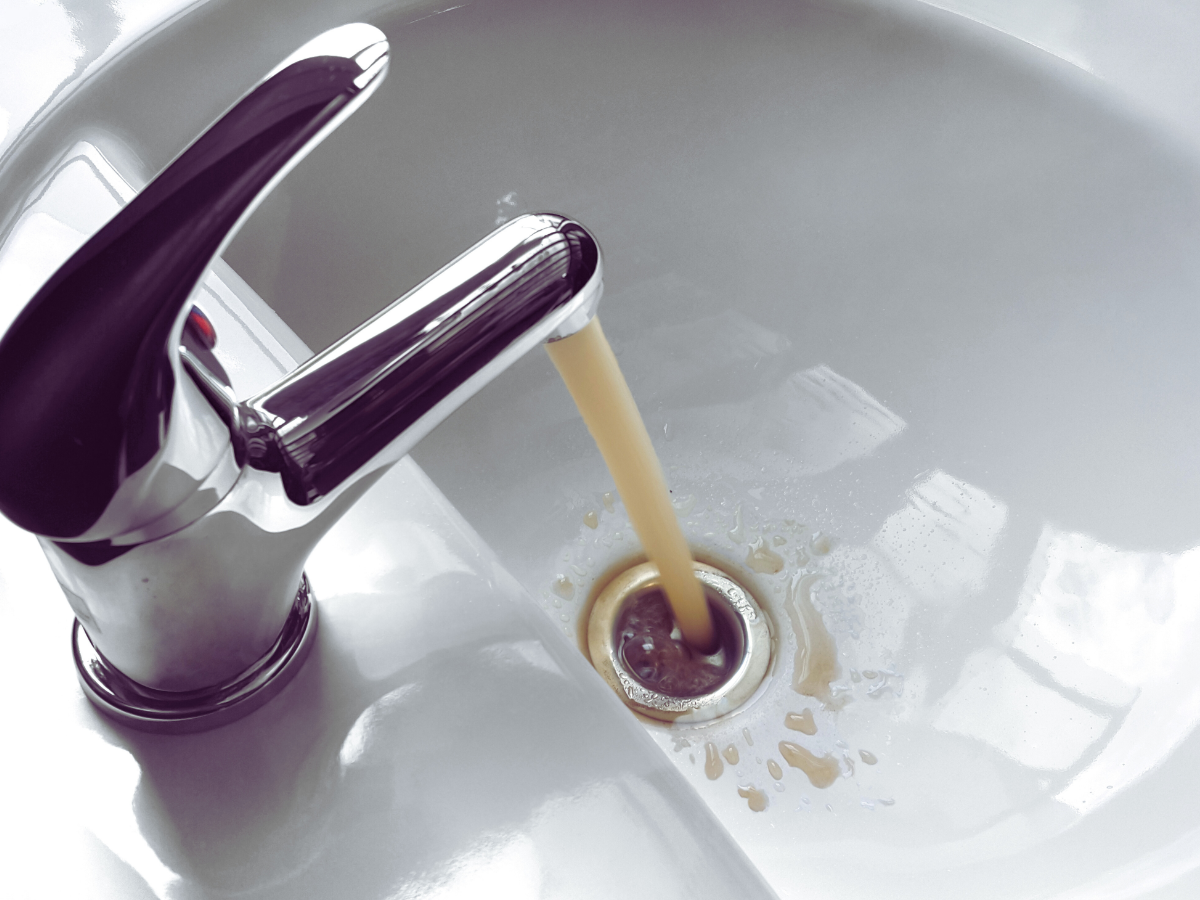
Why is my water brown? When you’re used to having easy access to fresh, clean water, seeing dirty, discolored liquid pouring from your faucet can be understandably unnerving. As ominous as it looks, however, brown water isn’t necessarily a reason for panic. While it sometimes signals serious trouble brewing within your plumbing system, it can also be a harmless and temporary water supply issue.
To understand what’s going on, let’s break it all down: What causes tap water to turn brown, how you can fix it and when it might be necessary to replace your aging water lines.
 Quick Takeaways
- Tap water typically turns brown from high levels of sediment or rust
- Common sources include old, corroded water lines and water heater tanks
- Sudden discoloration after a period of disuse is generally from temporary sediment
- Brown water that won’t clear up may be a sign of aging, corroded plumbing
- Schedule a professional inspection to determine if water line replacement is needed
What Does Brown Water Mean?
Despite the name, “brown water” may not always look brown. Rather, it’s a generic term for tap water that’s noticeably discolored or filled with fine particles. Note that it normally doesn’t refer to sewage, which comes from different parts of the plumbing system and carries a distinctly unpleasant odor.
Depending on what’s in it, the actual hue of brown water can vary widely. Iron and rust usually produce a reddish-orange color, while sediment-laden water may range from faint yellow to brown or dark gray. Regardless, any visible discoloration is a serious issue that should be addressed right away.
Common Reasons Your Water Is Brown
Water discoloration usually suggests a plumbing problem within your home, but not always.
If your tap water’s looking a little off, the most likely culprits include:
- Corrosion from aging iron or galvanized plumbing
- Sediment buildup in the pipes or water heater
- Damage or disruption to the water main
- Natural sediment stirred up in well water
- Water table changes from heavy rain or drought
Diagnosing the Source of Water Discoloration
It might look like your brown water is coming straight from the swamp, but the source is probably a lot closer to home. To help solve the problem as quickly as possible, it’s worth engaging in some detective work to narrow down the possible causes.
Single Fixture vs. Whole Home
First and foremost, you’ll need to investigate the scope of the problem. Check several fixtures around the house to see if all your taps are affected or if the discoloration is isolated to a specific faucet or room.
If it’s a localized affair, good news! You’re likely dealing with something like a dirty aerator or corroded hardware inside the fixture itself. If it’s multiple taps throughout your home, there’s either a water supply issue or a deeper problem affecting your whole plumbing system.
Hot Water vs. Cold Water
Getting nothing but dirty water from all your taps? Don’t despair quite yet. If you’re lucky, it might just be a warning that your water heater needs a little TLC. To check, simply keep your hot taps closed and see if the cold water comes out clear.
If so, your water heater may be filling with sediment or succumbing to corrosion. Flushing the tank can remove most mineral deposits, but extensive corrosion often requires replacement. If both hot and cold water come out discolored, the next step is hiring a professional to inspect your water line.
Can Old Water Lines Cause Brown Water?
Older plumbing and discolored water often go hand in hand, especially here in Central Florida. The Clearwater area is full of charming older homes, many of which have plumbing systems built with galvanized steel pipes and other outdated materials. These metal pipes become increasingly susceptible to corrosion as they age, especially in a humid, salty coastal environment with heavily chlorinated water.
The more pipes and water lines degrade, the more rust particles they shed into the water. To make matters worse, older water lines also tend to collect more debris and mineral deposits. Flushing the system may help temporarily, but the brown water will return as long as the pipes continue to rust.
Is Brown Water Dangerous To Use?
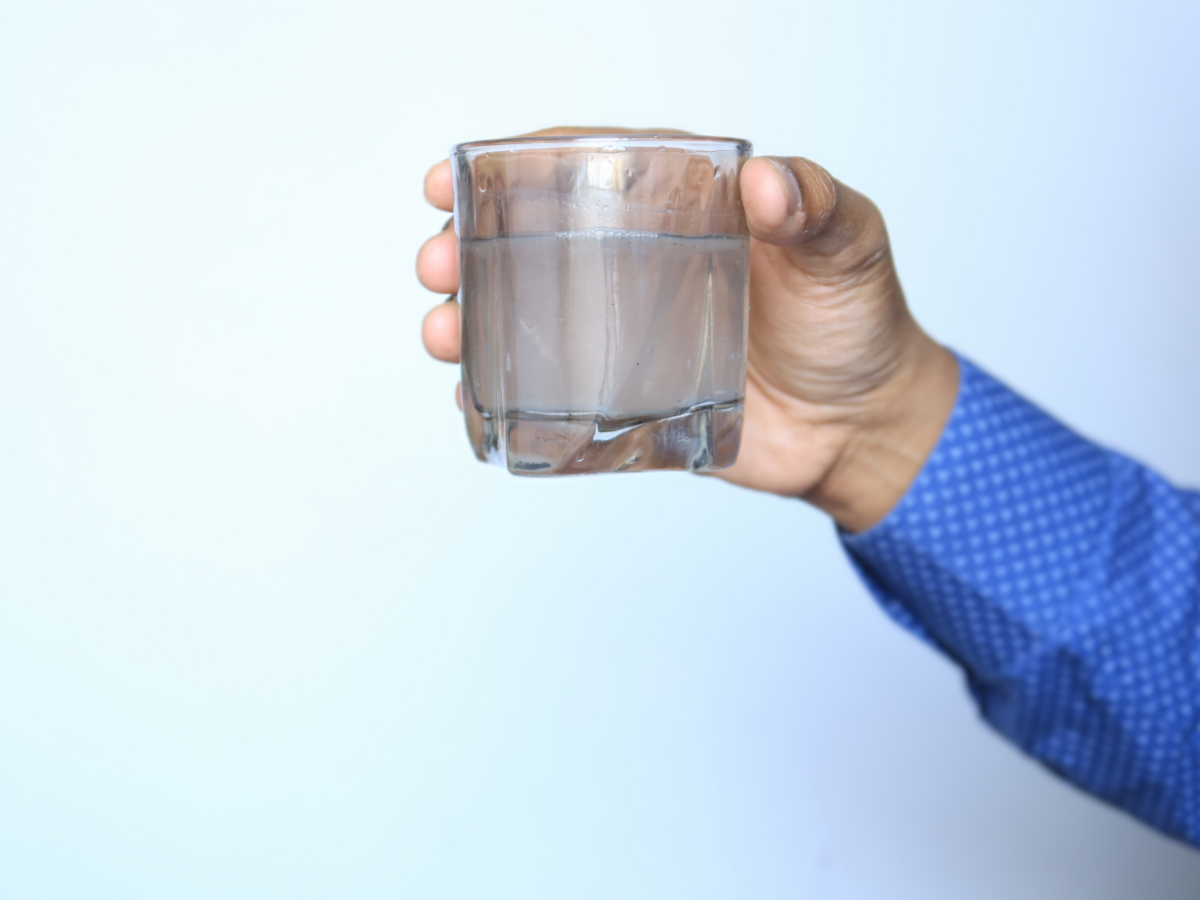 We’re naturally hardwired to be wary of water that looks unclean, and for good reason. While most common particulates in discolored tap water aren’t inherently dangerous in moderation, there’s always a risk of bacteria, heavy metals and other unhealthy impurities. The taste and odor may also be off-putting, making it unsuitable for cooking.
Brown water is generally safe for bathing and cleaning, though it can cause irritation or worsen skin conditions. However, it’s best to avoid using the washing machine or dishwasher until the problem is resolved.
Not only can discolored water stain clothes and leave spots on dishes, but it can increase wear and tear on appliances. The same is true of fixtures around the house, so acting quickly is key to preventing further damage.
What To Do if Your Water Is Discolored
Seeing your tap water turn brown can be quite a shock, but there’s no reason to worry. Water discoloration is often temporary, and some issues can be resolved without calling for help. Here are a few easy steps you can take to start troubleshooting on your own.
Verify the Scope of the Problem
Start by checking several faucets around the house to determine whether the discoloration is limited to one fixture or the whole home. If it’s the former, remove the aerator from the affected fixture and clean it thoroughly.
For whole-home discoloration, run the cold and hot taps separately. If only the hot tap produces brown water, it’s time to have your water heater serviced or replaced.
Flush Out the Plumbing System
If all your hot and cold taps are affected, the next step is to try flushing the system. Locate the lowest faucet in your home without an aerator and let it run cold water for at least 15 minutes. If the water clears up, finish by repeating the process at other faucets to flush out your branch lines.
Check for Water Supply Issues
Still no luck? The issue may be outside your home, so call a few neighbors to see if their water is also affected.
If so, or if the discoloration hasn’t cleared up within an hour or two, contact your local water utility. They can tell you if there are any water main disturbances nearby, such as hydrant flushing, construction or pipe repairs.
Call a Local Licensed Plumber
If the problem persists, play it safe and schedule an appointment with a qualified plumber as soon as possible. Persistent or recurring discoloration may indicate significant corrosion, so having your pipes and water lines inspected promptly could help prevent major leaks and repair bills.
Is Water Line Replacement the Right Solution?
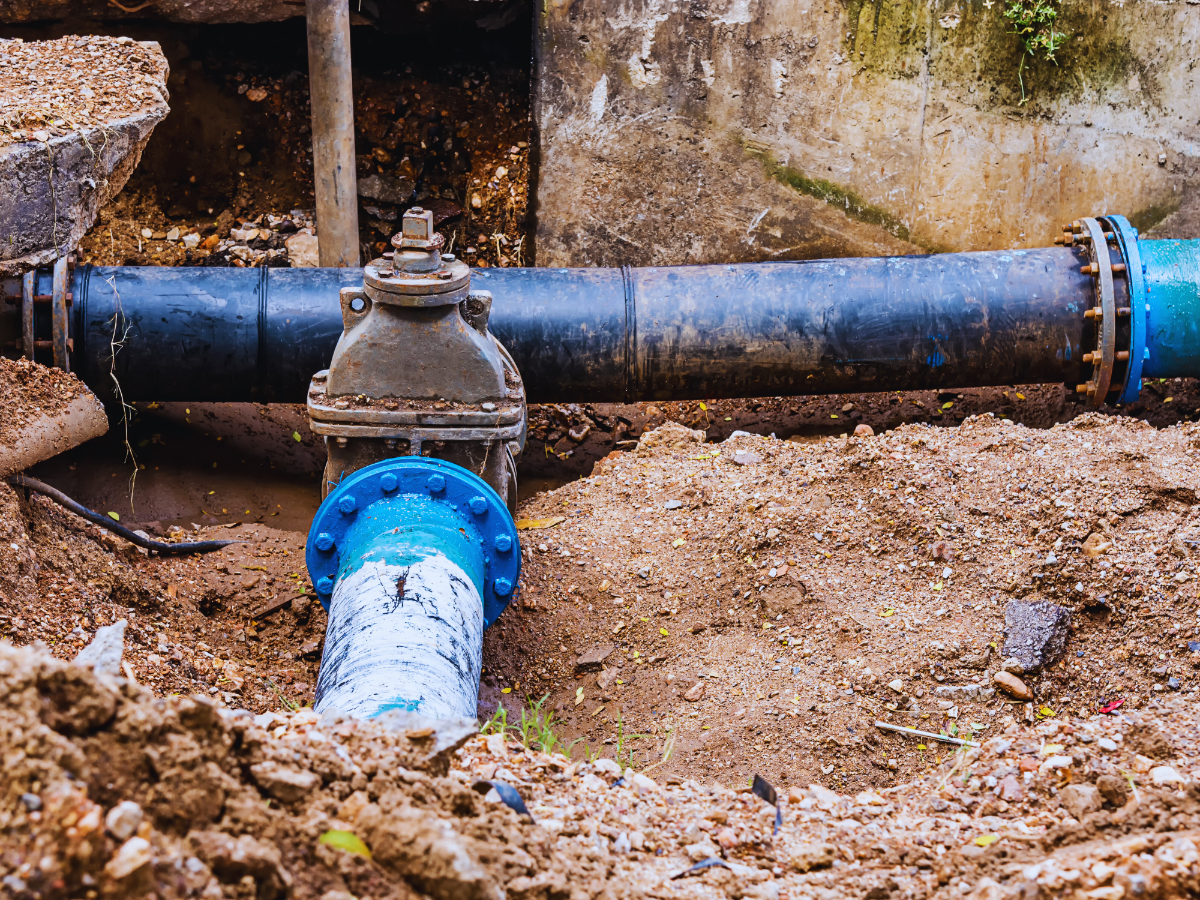 Discolored water doesn’t automatically spell doom for your plumbing system, but it’s a red flag you can’t risk ignoring. If your water is turning brown because of rusty, deteriorating pipes, there’s no sense in wasting time on quick fixes.
A full water line replacement is the only surefire way to eliminate the root cause, especially if:
- The brown water doesn’t go away with flushing
- Discoloration keeps frequently reoccurring
- All hot and cold taps in your home are affected
- Your pipes are made of cast iron or galvanized steel
- You have leaks, poor water pressure or other plumbing issues
FAQs About Brown Tap Water
Why is my water brown all of a sudden?
If your water suddenly changes without warning, it’s probably because something — nearby construction, fire hydrant flushing, water main break — kicked up a lot of sediment in the water supply.
Is brown water safe to drink?
The color generally comes from rust or mineral particles, which are unlikely to pose serious health risks. Still, it’s best to avoid it in case other, more harmful impurities are present.
Why is my water brown after I haven’t used it?
Standing water may dissolve rust and minerals inside your pipes, flushing them out when you turn on the tap again. The sudden change in water pressure can also stir up settled particulates.
Why is my water brown only from the hot tap?
If only the hot water comes out brown, look no further than the water heater itself. This often indicates that the tank is filling with sediment or the anode rod is depleted, exposing the unit to corrosion.
Does brown water mean my pipes are rusted?
Not necessarily. While corroded plumbing is usually the prime suspect, especially in older homes, discoloration can also come from natural sediment and other issues.
The Fastest Way To Fix Brown Water in Clearwater, FL
 Discolored tap water is often a clear warning sign of major plumbing problems, leaving no room for quick fixes and half-measures. That’s why homeowners throughout Clearwater and surrounding Central Florida communities rely on the punctual plumbers at Benjamin Franklin Plumbing. We offer fast, accurate diagnostic services and comprehensive plumbing solutions, including hassle-free water line replacement and whole-house repiping.
If you need help with brown tap water in the Clearwater area, go with the pros you can trust. Drop us a line anytime to schedule a professional in-home inspection or request a free, no-obligation estimate!